Why Regular Plumbing Maintenance Saves You Money in the Long Run
Plumbing is one of the most important systems in any home or building as it delivers clean water, removes waste, and keeps daily routines running smoothly. Yet, many people overlook its maintenance until a problem arises. This blog explains why regular plumbing maintenance saves you money in the long run, how preventive care prevents costly repairs, reduces water bills, extends the lifespan of your plumbing system, and ensures a healthier living environment. By understanding the value of regular maintenance, homeowners can make smarter decisions that protect both their property and budget.
Understanding the Importance of Plumbing Maintenance
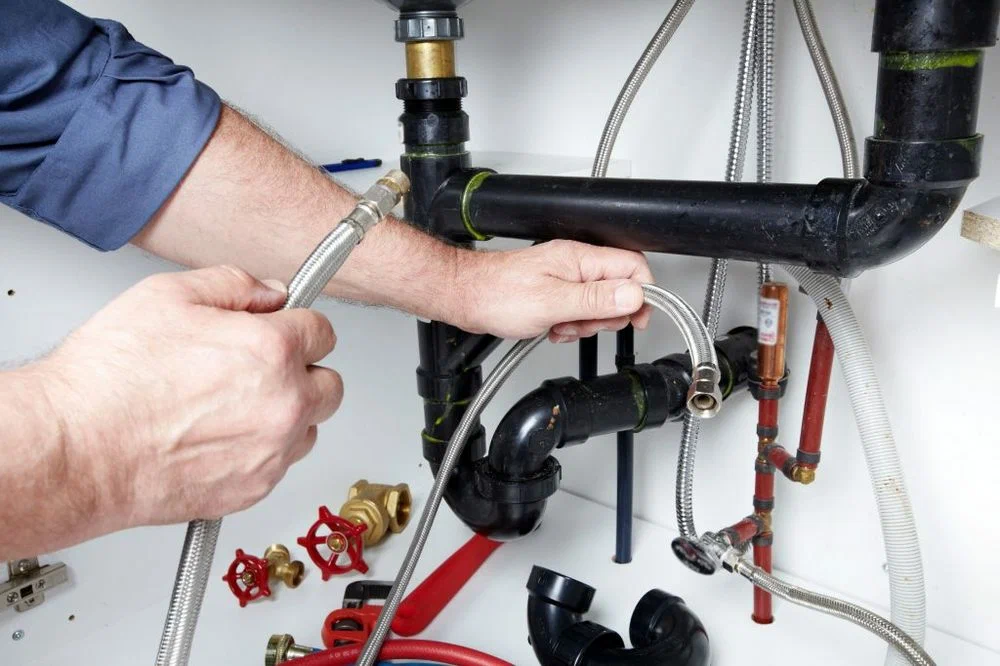
Plumbing systems work silently in the background, but they experience wear and tear over time. Small leaks, corrosion, or clogged drains might seem minor, but if left unchecked, they can lead to serious damage and expensive repairs. Regular maintenance helps detect these issues early before they become major problems. Professional plumbers inspect the entire system, clean pipes, and check for leaks or blockages. This proactive approach ensures that your plumbing runs efficiently while preventing sudden breakdowns that disrupt your daily life
How Regular Plumbing Maintenance Saves You Money
Here’s how investing in regular plumbing care leads to long-term savings:
1. Prevents Major Repairs and Emergencies
Example:
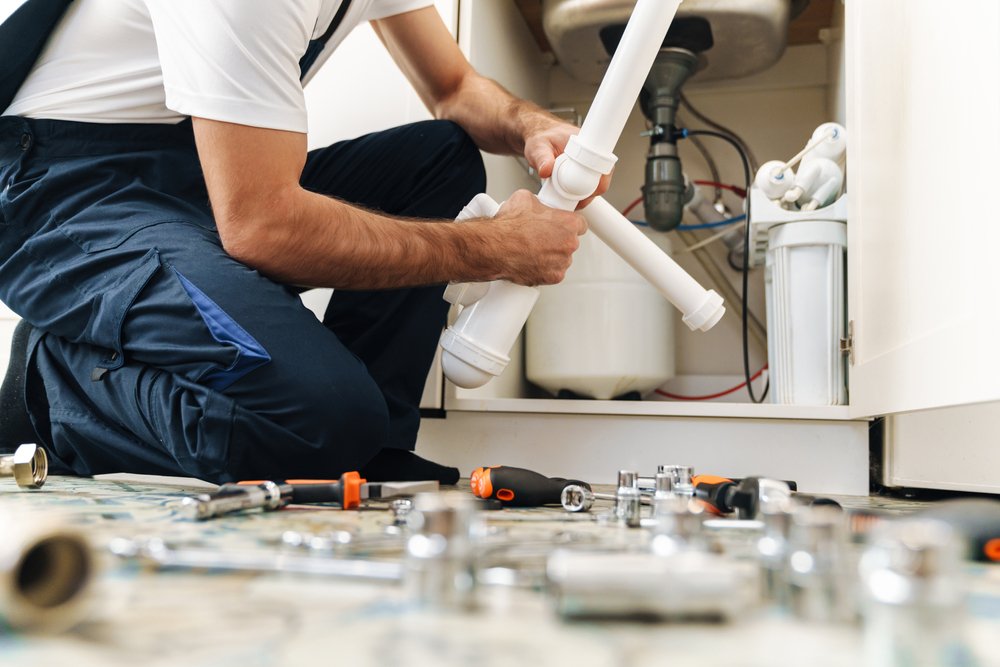
- Fixing a small pipe leak costs a fraction of what it would take to repair water damage to floors, walls, and furniture.
- Replacing a worn-out washer today could prevent a flooded kitchen next month.
Preventive care minimizes emergency plumbing calls, which often come with higher service charges.
2. Reduces Water Bills
Key savings areas include:
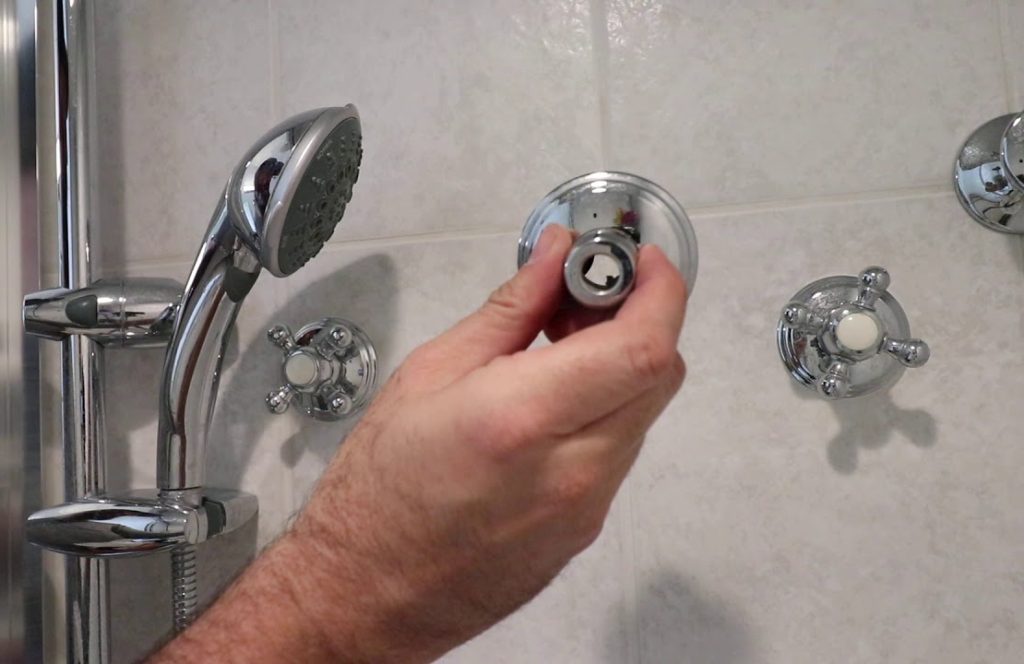
- Fixing leaking taps and showerheads
- Checking water pressure and flow efficiency
- Inspecting toilets for hidden leaks
3. Extends the Lifespan of Plumbing Fixtures and Equipment
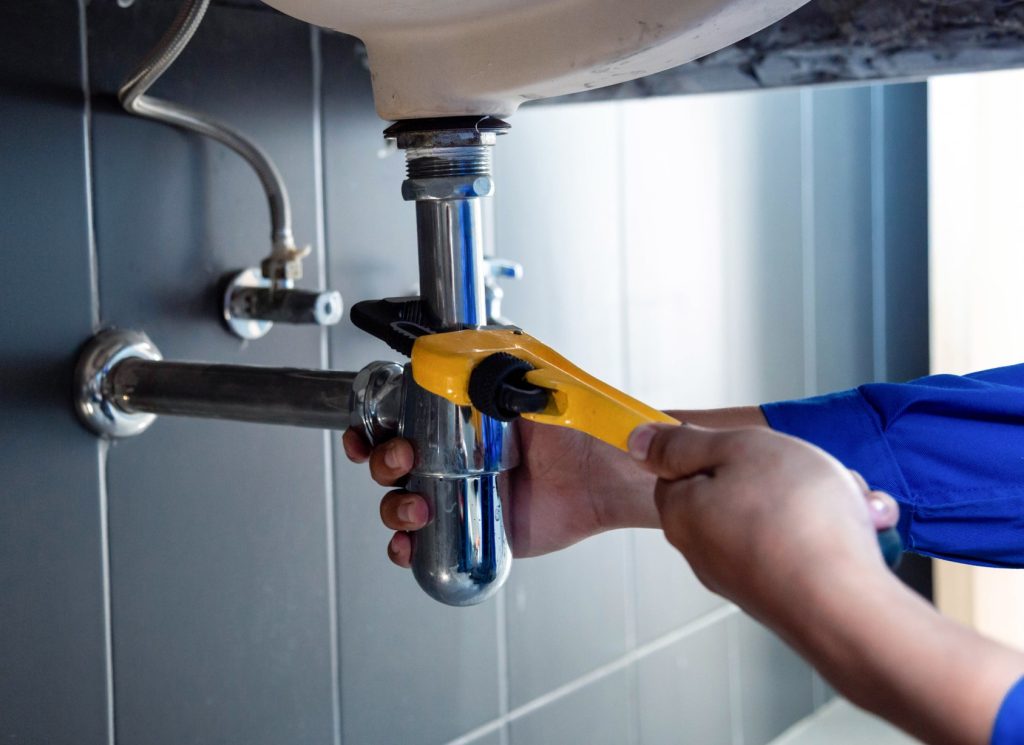
Scheduled maintenance helps in:
- Cleaning and descaling pipes and fittings
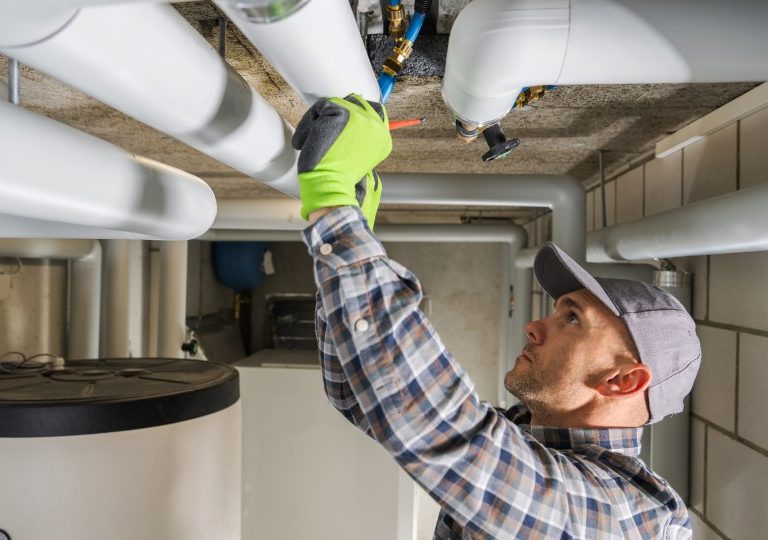
- Ensuring the water heater functions efficiently
- Checking for rust or wear in metal components
4. Improves Water Quality
5. Prevents Structural Damage
Routine inspections help plumbers identify moisture issues early, preventing:
- Wall paint peeling or bubbling
- Wooden structures from rotting
- Mold and mildew formation
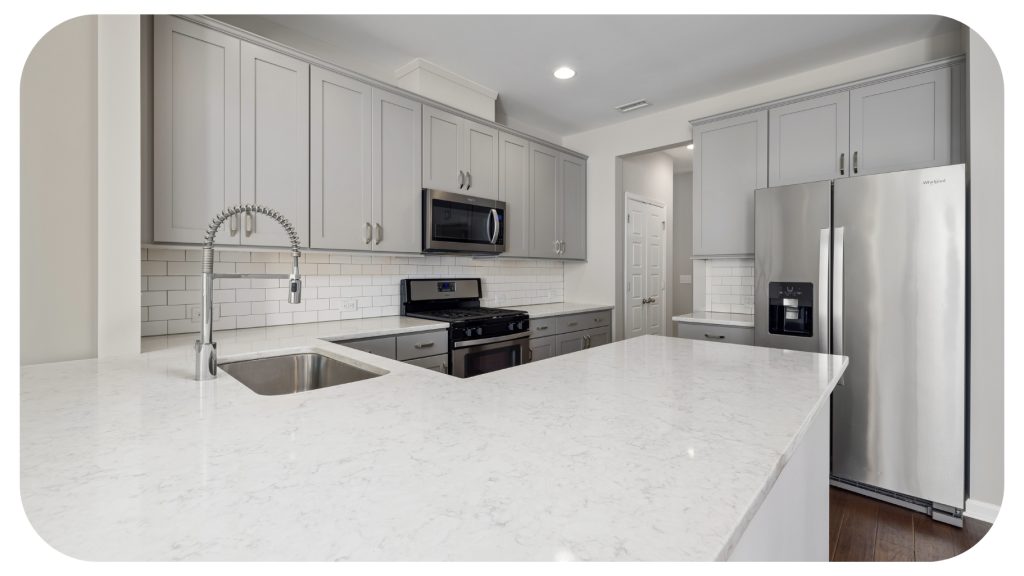
6. Boosts Home Value
What Regular Plumbing Maintenance Includes
A professional plumbing maintenance service usually covers a comprehensive checklist to ensure every part of your system works efficiently.
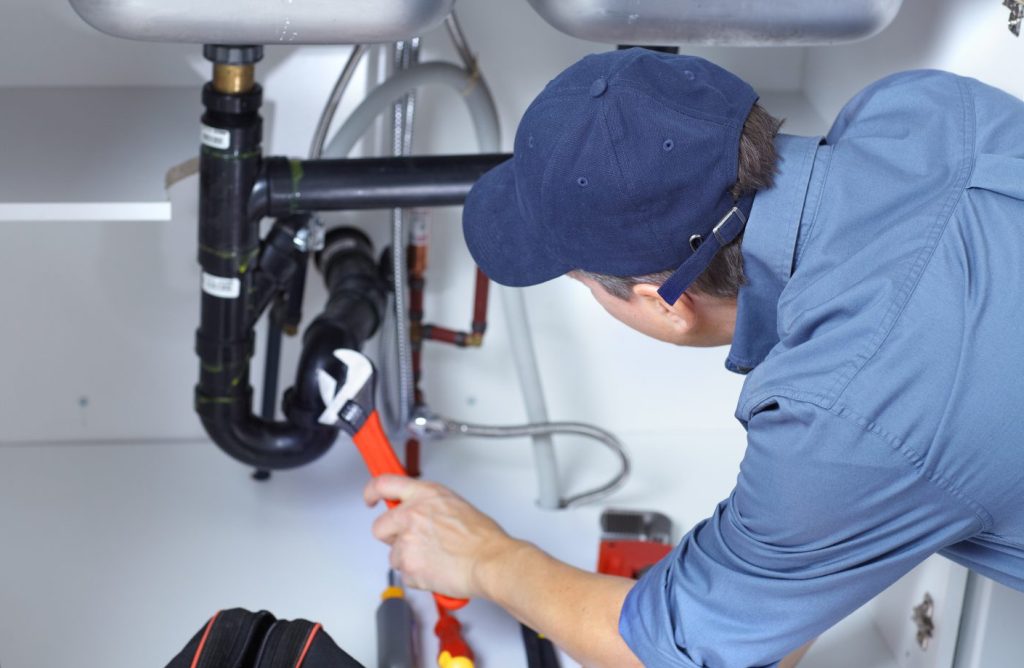
Common maintenance tasks include:
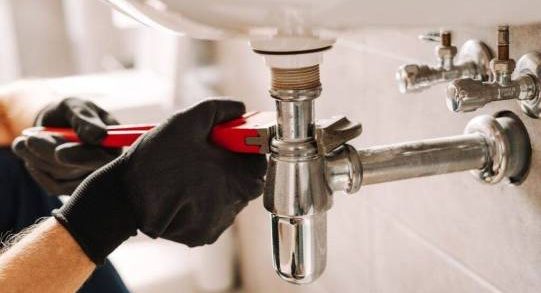
- Inspecting and tightening pipe fittings
- Cleaning and unclogging drains
- Checking water heaters for efficiency and leaks
- Testing water pressure and flow
- Detecting and repairing hidden leaks
- Replacing worn washers, seals, or valves
- Ensuring toilets, faucets, and showers work properly
Scheduling such inspections once or twice a year helps maintain your plumbing system’s health and efficiency.
The Cost of Ignoring Plumbing Maintenance
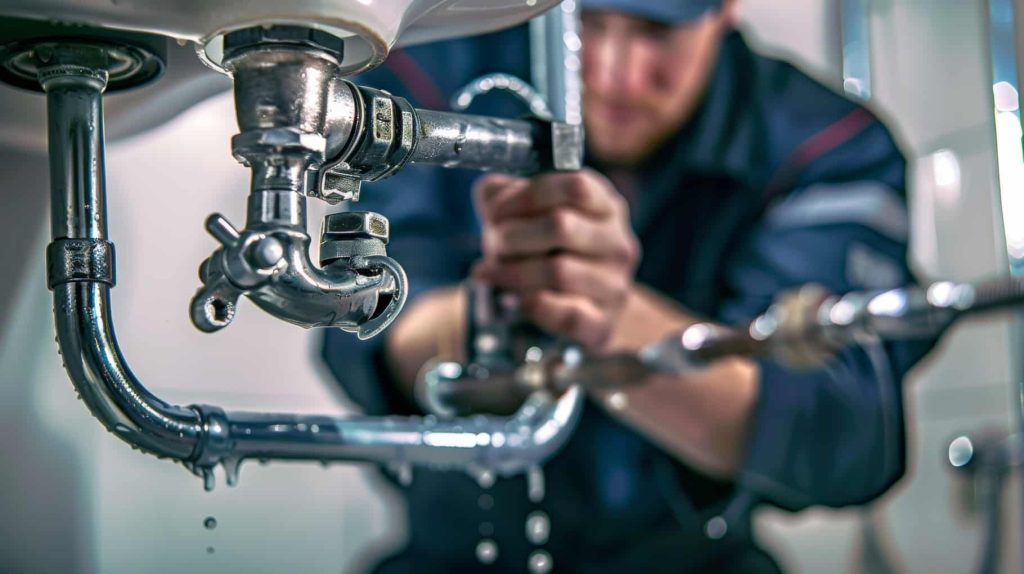
- Burst pipes leading to water damage
- Clogged drains causing flooding
- Water heater failure and energy waste
- Mold growth from unnoticed leaks
How Often Should You Schedule Plumbing Maintenance?
For most homes, plumbing maintenance should be performed at least once a year. However, if your home is older, or you have had frequent plumbing issues, twice-yearly check-ups are recommended.
You should also schedule inspections if you notice:
- Slow drainage
- Unusual sounds from pipes
- Decreased water pressure
- Discolored or rusty water
Timely maintenance keeps your plumbing efficient and ensures problems are handled before they become serious.
Tips for Homeowners to Maintain Plumbing Between Visits
- Avoid pouring grease or oil down the drain
- Use strainers to prevent hair and debris clogs
- Check visible pipes and connections regularly
- Run hot water through sinks to clear buildup
- Inspect toilet tanks and faucets for leaks
These simple habits can extend the benefits of professional maintenance and keep your system in great shape all year long.
Conclusion
To sum up, regular plumbing maintenance is not just about preventing leaks but it’s a smart investment that protects your home, saves money, and ensures long-term peace of mind. From reducing water waste to avoiding costly emergencies and extending the lifespan of your fixtures, the benefits are clear and lasting.
At Silver Tool, we specialize in reliable and affordable plumbing maintenance services that keep your home safe and efficient. Our experienced technicians provide detailed inspections, preventive care, and expert repairs to help you save money while maintaining the comfort and safety of your home. With us, you can rest assured that your plumbing system is in professional hands by preventing problems before they start.